
Last updated November 21, 2026
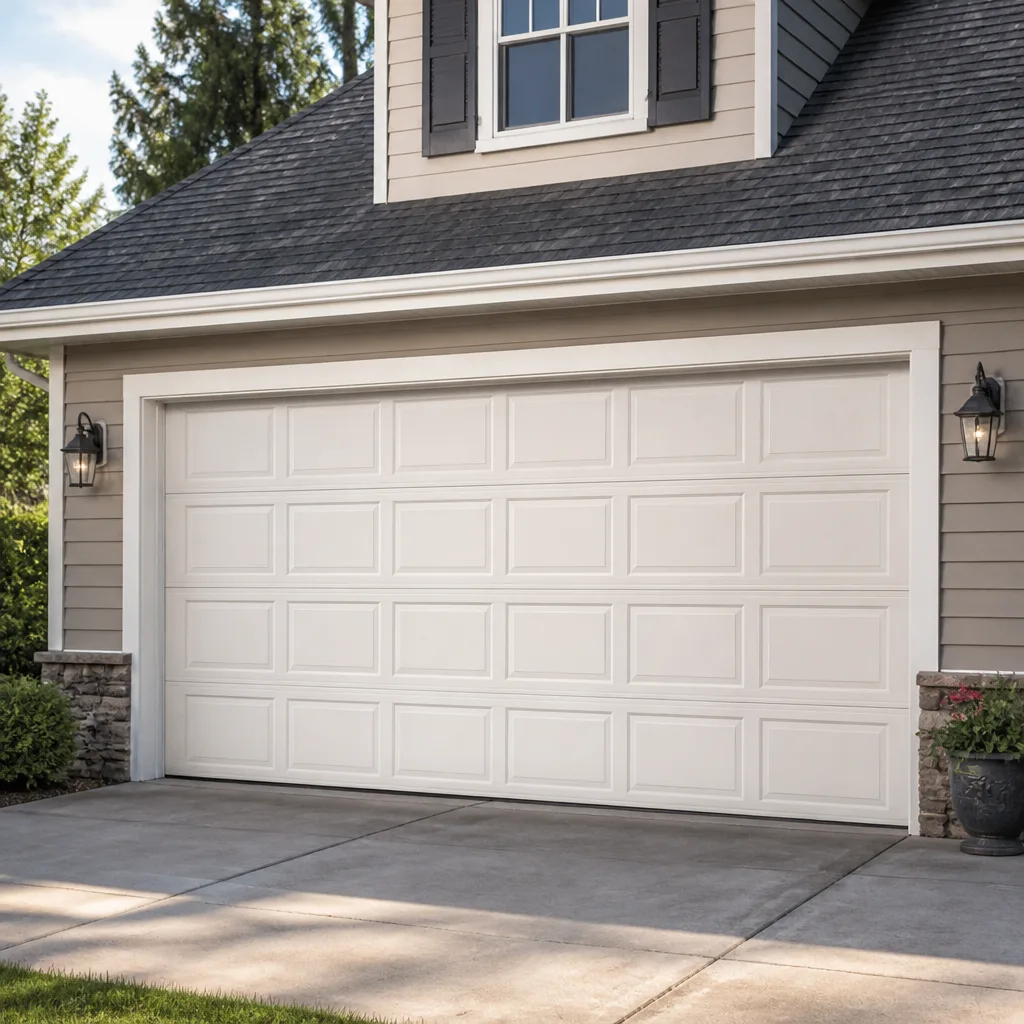 Raised-panel steel
 Carriage house
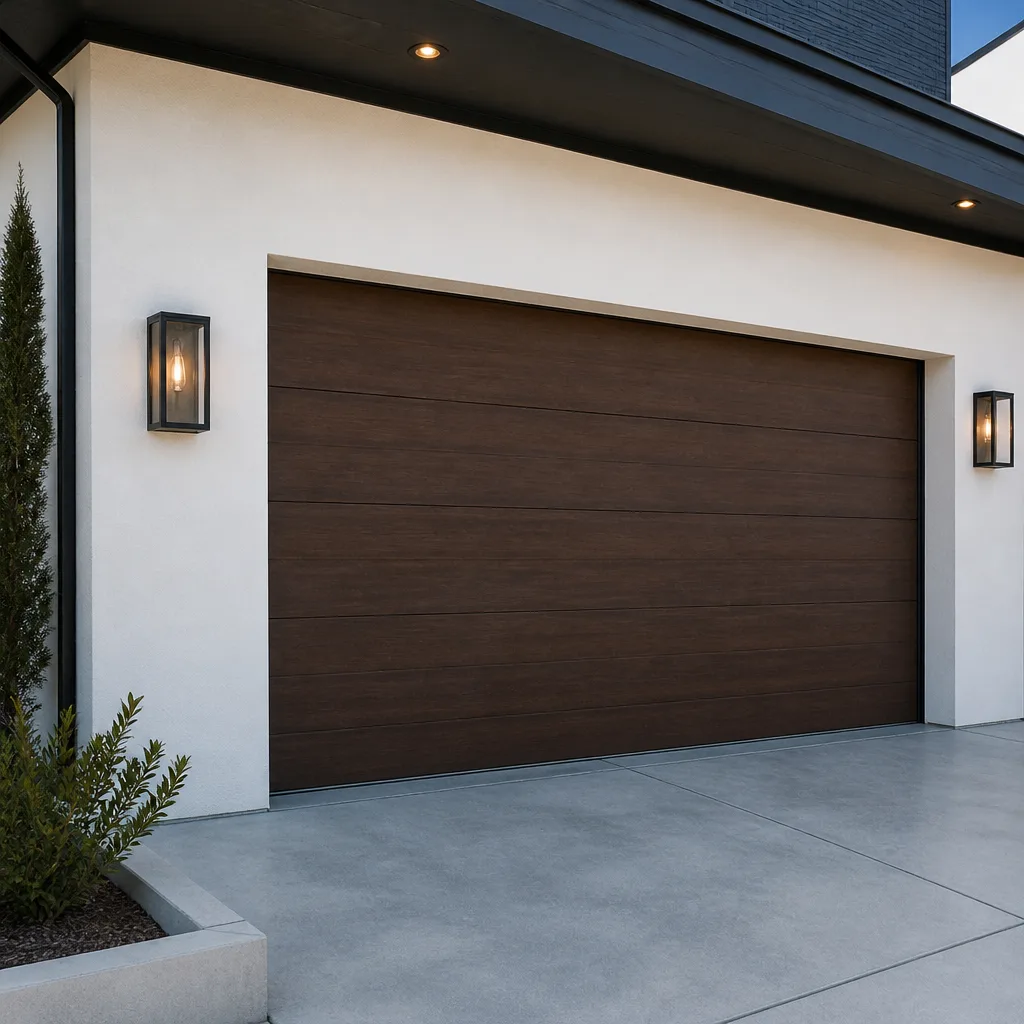 Modern flush
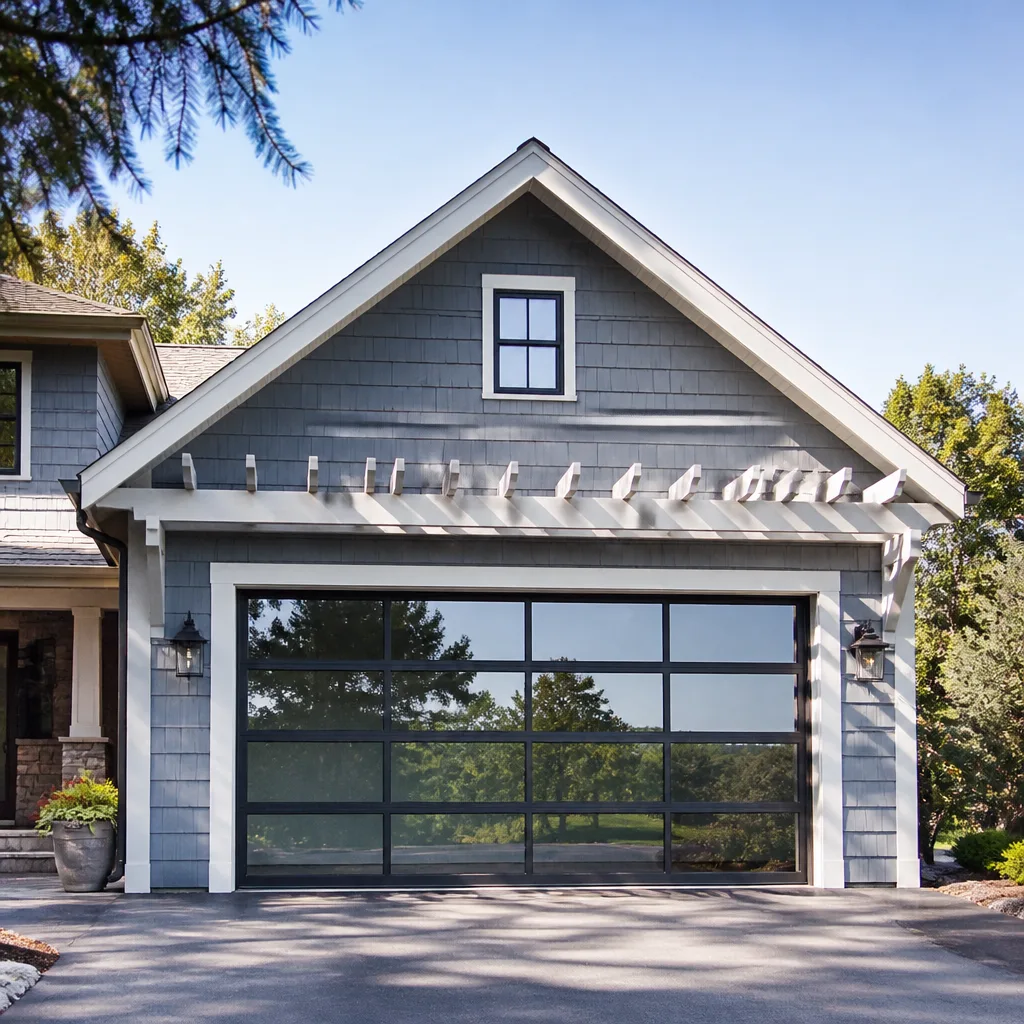 Full-view glass
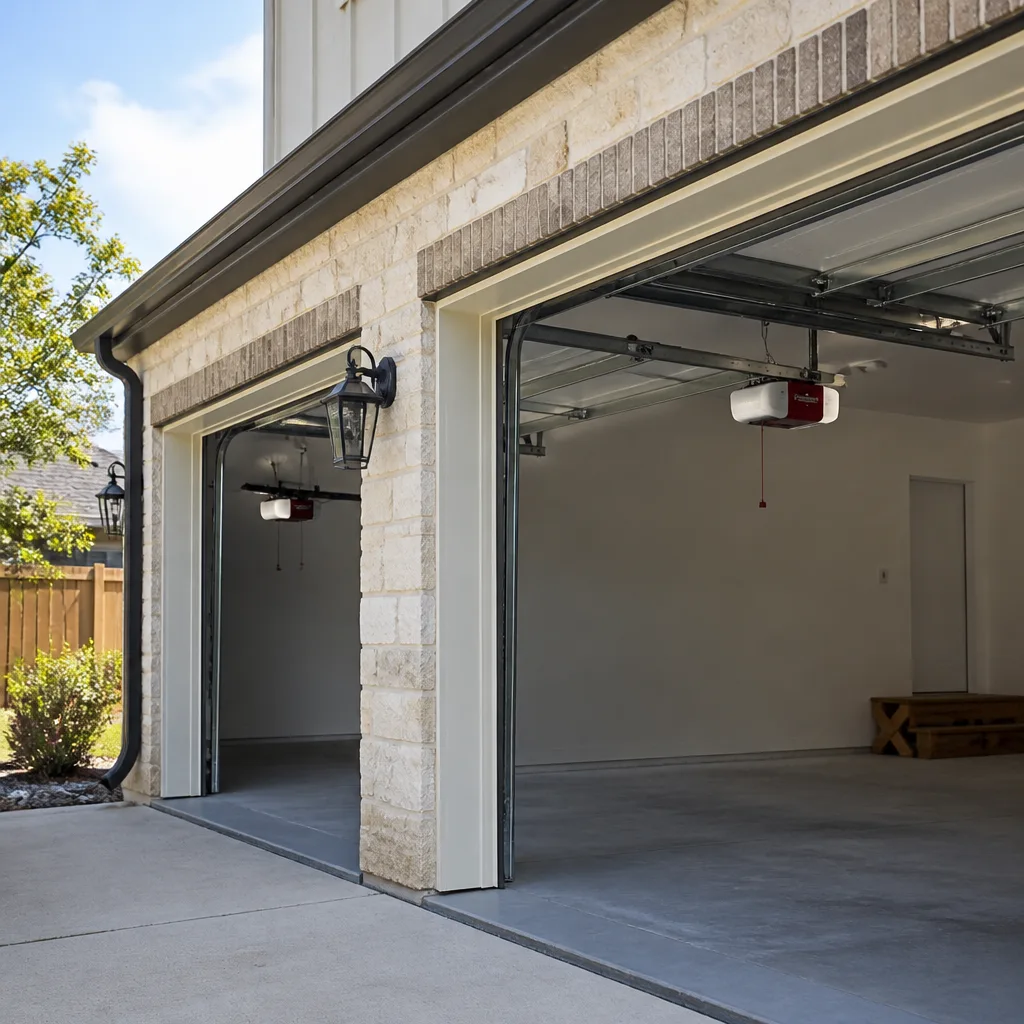 LiftMaster openers
 Chamberlain openers
Full 25-point door and opener safety check with every visit - springs, cables, rollers, tracks, and your LiftMaster or Chamberlain opener included
You get a price before we start. It does not change when the pro arrives.
Get your free estimateGarage Door Warning Signs: A Southlands Homeowner’s Reference Guide
A garage door that shudders on the way up isn’t a vague “door problem.” It’s a specific signature – usually worn rollers or a cable that’s jumped its drum. The trouble is, a misaligned track produces a motion that looks almost identical, and homeowners who treat the two as the same thing pay for the wrong repair and watch the symptom come back. In Southlands, where the swing between a frozen winter morning and a dry summer afternoon works on every moving part of a door, reading the symptom correctly matters even more. This guide connects what you see and hear to the component most likely causing it, ranks each sign by urgency, and tells you which ones mean stop using the door and which ones mean book a visit this week.
Quick Answer
A garage door that shudders, grinds, hesitates, drifts back down, or makes a sharp metallic tick is telling you which part is failing – most often rollers, cables, springs, or the opener’s drive gear. Two signs mean stop using the door immediately: a visible gap in a torsion spring and any door that slams or free-falls. Everything else can usually wait for a scheduled service visit, but shouldn’t be ignored.
Styles & brands we work with
- Raised-panel steel
- Carriage house
- Modern flush
- Full-view glass
- LiftMaster openers
- Chamberlain openers
Table of Contents
- Symptom-to-Component Diagnostic Table
- Spring Sounds: Normal Creak vs. the Tick Before Failure
- Shuddering and Shaking: Rollers, Cables, or Track
- Opener Warning Signs: Mechanical vs. Electronic
- Cold-Morning False Alarms in Southlands
- The Two Signs That Mean Stop Using the Door
- What You Can Safely Check Yourself
- How to Decide When to Schedule Service
Symptom-to-Component Diagnostic Table
Most door failures announce themselves before they happen. The skill is matching the complaint to the part. The table below maps ten observable behaviors to their most likely cause, ranks severity, and notes whether a homeowner can safely look closer. This is the reference we’d hand any Southlands homeowner who calls us unsure whether they have a small problem or an urgent one.
- Door shudders or vibrates on the way up – worn nylon or steel rollers, or a cable off the drum. Moderate. Safe to observe from the ground; do not touch the cable.
- Loud bang, door drops, won’t lift – torsion or extension spring has broken. Critical. Stop using the door.
- Door rises a foot then reverses – opener travel limit or force setting, or a binding track. Moderate. Safe to inspect the sensors and track by eye.
- Sharp metallic tick, repeating – a torsion spring coil beginning to fail. High. Stop using the door and get it looked at before it snaps.
- Grinding from the opener housing – stripped drive gear or worn chain/screw. Moderate. Safe to note the sound; repair is internal.
- Door drifts back down partway – spring tension loss or a failing cable. High. Schedule service and keep the door closed when not in use.
- Door slams shut instead of lowering smoothly – broken spring or a snapped cable. Critical. Stop using the door.
- Remote works sometimes, not others – sensor misalignment, dead battery, or logic board. Low to moderate. Safe to check sensor eyes and batteries.
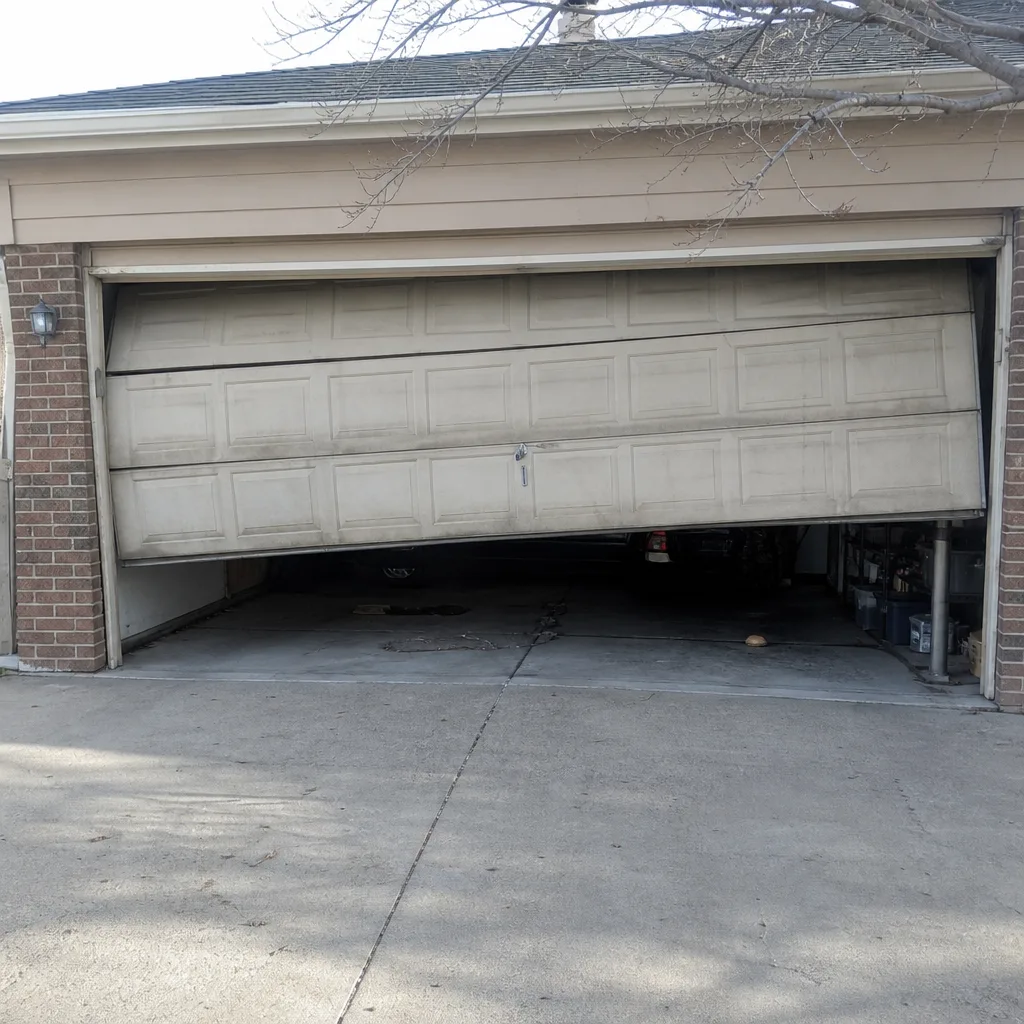
- Door is crooked in the opening – a cable has jumped the drum or a spring has lost tension on one side. High. Stop using the door.
- Squealing or scraping along one side – dry or seized roller, or a bent track. Low to moderate. Safe to watch; lubrication and straightening are technician work.
Print this list or keep it on your phone. When you call, describing which row matches your door gets a technician to the right diagnosis faster and often lets us bring the right part the first time.
Spring Sounds: Normal Creak vs. the Tick Before Failure
Every torsion spring makes noise. That’s normal, and a certain amount of creak on a cold morning in Southlands is simply metal moving under tension. The sound you need to learn is different. A healthy spring produces a low, even creak or groan as the door cycles – a single tone that rises and falls with the door’s travel. A spring on its way out produces a repeating metallic tick, like a clock with a heavy hand, and it usually comes in a steady rhythm as the door moves through part of its travel and stops when the door rests.
That tick is the sound of a coil beginning to separate. Springs are wound from a single coil of steel under heavy tension, and when a coil starts to fatigue it cracks along a stress line before it releases entirely. The tick is the crack opening and closing. Once you hear it, the spring has already begun to fail, and the question is only whether it lets go while the door is up (safe, but inconvenient) or while someone is walking under it (not safe).
Here’s how to tell the difference in practice:
- Listen with the door closed and the opener disengaged. A healthy spring is silent at rest. A failing one will often tick once or twice as it settles.
- Watch the spring while someone runs the door. A healthy torsion spring winds evenly. If you see a gap open in the coil as it turns, that spring has failed or is failing.
- Note whether the sound changes with temperature. Creaks that appear only on cold mornings and vanish by afternoon are usually normal. A tick that persists regardless of temperature is a failing coil.
Do not try to relieve tension, adjust, or replace a spring yourself. Torsion springs are the single most dangerous component on a garage door – they store enough energy to cause serious injury in an instant. This is one of the reasons spring repair is a core service for us rather than an afterthought; garage door repair work that touches tension is technician work, full stop.
Shuddering and Shaking: Rollers, Cables, or Track
A shudder is the most misread symptom on any garage door. It looks like one problem and is often another, and homeowners who guess wrong end up chasing the same shake through two or three repairs. In our experience the cause almost always falls into one of three buckets, and each one has a slightly different feel.
- Worn rollers. The door moves but the whole panel visibly wobbles side to side, and the noise is a rumble rather than a scrape. Rollers wear flat spots over time, and once a roller is no longer round it can’t roll – it drags, and the door shudders.
- A cable off the drum. The door lifts unevenly, one side higher than the other, and there’s often a sharp snap or pop early in the travel. A jumped cable is a serious sign. It means one side of the door is no longer being lifted by the spring, and the door can bind or drop. Stop using it and call.
- A bent or misaligned track. The door binds at a specific point in its travel, often the same height every time, and there’s a scrape as the roller hits the bend. Track alignment looks similar to a roller problem but the door tends to catch and stall rather than wobble.
The distinction matters. New rollers on a door with a bent track won’t stop the shudder. Track straightening without new rollers won’t either. And a door with a jumped cable shouldn’t be run at all until a technician resets it. When you call, tell us which of these three motions best fits and whether the door stops at the same height each time – that one answer usually narrows the cause before we arrive. You can also review our Garage Door Repair Southlands page for the full scope of what we handle, including both opening and sectional systems from makers like Clopay and Amarr, since the fix differs somewhat by construction.
Opener Warning Signs: Mechanical vs. Electronic
An opener that’s struggling isn’t always failing. Sometimes the door is the problem and the opener is straining to compensate. Sorting a mechanical cause from an electronic one before a repair visit saves time and, just as often, avoids replacing an opener that was never the issue.
Mechanical signs live in the drive train – the part of the opener that actually moves the door. If you hear grinding from the motor housing, the drive gear is likely stripped. If the chain or belt sags, or the door jerks at the same point in travel, the rail or the drive is worn. These are repair jobs, and on most major units they can be fixed rather than replaced. We service the major opener lines – LiftMaster, Chamberlain, Genie, and Craftsman among them – which means we can usually diagnose a drive problem without guessing.
Electronic signs live in the controls. If the remote works from one spot and not another, the receiver is fine and the signal is being blocked or the sensor eyes are out of alignment. If the door responds inconsistently to the wall button and the remote, the logic board is suspect. If the door reverses for no reason after closing partway, the safety sensors are the first thing to check.
Sort your symptoms with this quick test:
- Does the door move smoothly by hand when the opener is disengaged? If yes, the opener is the problem. If no, the door is binding and the opener is struggling.
- Does the opener respond to the wall button but not the remote? The remote, battery, or receiver is the issue – not the motor.
- Does the door reverse right after starting to close? Check the sensor eyes at the bottom of the tracks for dust, misalignment, or a wire that’s come loose.
- Does the motor run but the door doesn’t move? The drive gear or the trolley has failed. Stop using the opener and book a repair.
If the diagnosis lands on the opener itself, our garage door opener repair page covers the brands and symptom types we see most often in Southlands.
Cold-Morning False Alarms in Southlands
Southlands gets cold mornings, and cold mornings change how a garage door sounds and moves. Metal contracts. Lubricant thickens. Springs hold slightly less tension than they did at seventy degrees. A door that ran silently in July can sound like it’s about to fall apart in January, and homeowners call us convinced something has broken when nothing has.
The reliable test is whether the symptom goes away as the day warms up. False alarms that resolve at temperature tend to share these traits:
- The noise is a creak or groan, not a bang, tick, or pop.
- The door moves slowly on the first cycle of the day and normally by the third or fourth.
- The motion is even – no bounce, no tilt, no catch at one height.
- The door doesn’t reverse, slam, or drift down once it’s fully open.
Real problems don’t warm up and go away. A failing spring, a jumped cable, or a bent track will produce the same symptom whether it’s forty degrees or eighty. If the shudder or scrape is still there by afternoon on a sunny day, it’s mechanical.
The one caveat worth knowing: repeated cold-morning strain accelerates wear. A door that’s stiff but functional in the cold is working harder than it should, and the rollers, cables, and spring take the extra load. A spring that would have lasted another two years at moderate temperatures can fail sooner when every winter morning loads it unevenly. If your door complains every cold morning in Southlands, it’s worth a service visit even if it moves fine by ten o’clock – that’s exactly the kind of slow wear that leads to a surprise break later.
The Two Signs That Mean Stop Using the Door
Most warning signs give you time. A couple of them don’t. These are the two symptoms that should stop you from running the door entirely, no matter how inconvenient:
- A visible gap in the torsion spring, or a heavy coil resting on the door. When a torsion spring breaks, the coils separate and you’ll see a two-inch gap in the wind. On an extension system, the spring will be hanging. Either way, the door no longer has the counterbalance it needs, and the opener – or a person lifting by hand – is now taking the full weight. An opener can pull a broken-spring door up once, maybe twice. Then the gear strips or the door drops. Keep the door closed and don’t press the button.
- A door that slams, free-falls, or drops faster than it should on the way down. A cable has failed or come off, or the spring has released. The door’s safety system is no longer holding it, and a door that falls is a serious hazard, especially with kids or pets in the garage. Keep the door down and don’t run it.
The signs that let you keep using the door while you book a visit are far more common: a shudder, a rumble, grinding from the opener, hesitation at one height, a slow drift, noisy rollers, a squeal. None of those are good, but they usually hold long enough for a scheduled service call. In both cases – the urgent sign and the “book a visit” sign – a trained technician should be the one opening the door to diagnose it. When you call us in Southlands, we’ll ask which bucket you’re in and tell you straight whether it’s safe to lift the door or whether to leave it down. Call (844) 569-7232. We answer 24/7.
What You Can Safely Check Yourself
Some symptoms you can investigate without risk. Others are hands-off. The line between the two is the spring and cable assembly under tension – never touch it, never try to loosen it, never tap it to “see.” Everything else on the door can usually be looked at from the ground. Here’s what a homeowner can safely do:
- Watch the door cycle. Stand back and watch each side of the door as it opens and closes. Note whether it moves evenly or one side lags.
- Listen for the tick. With the door at rest, stand close and listen for a repeating metallic tick. If you hear it, stop using the door and call.
- Check the sensor eyes. Look at the two sensors at the bottom of the tracks. If they’re dusty, wipe them. If one has a loose wire, note it for the technician.
- Test the balance with the door disengaged. With the opener disengaged, lift the door by hand to about waist height and let go. A well-balanced door stays. A door that drops or feels heavy has a spring or cable problem – do not investigate further, call.
- Look at the rollers from the side. Worn rollers look flat-spotted or cracked. Don’t touch them; just note what you see.
- Check the track for visible dents. If a track is bent, note the location. Do not try to bend it back with a hammer or pry bar.
That’s the safe list. The unsafe list is short and clear: springs, cables, drums, and anything above your head with tension on it. If your door has a Clopay or Wayne Dalton torsion system, that spring is wound tight enough to move a car. It isn’t a home repair. We work on almost every major brand – including yours – and we see the aftermath of DIY spring jobs far more often than we’d like.
How to Decide When to Schedule Service
The question we get from Southlands homeowners most often is simple: “Do I need to do this today, this week, or this month?” Here’s how to sort it without guessing.
Stop using the door now and call today. A broken spring, a door that free-falls, a door that’s visibly crooked in the opening, a repeat loud bang, or any situation where the door moves when nobody’s touched it. These aren’t “schedule it” problems. They’re “we need to look at it” problems, and running the door makes them worse.
Book a visit this week. A repeating metallic tick, a shudder or rumble that persists past the first cycle of the day, grinding from the opener, a door that drifts back down partway, a door that reverses for no reason, or an opener that runs but doesn’t move the door. None of these are emergencies, but all of them tend to get worse rather than settle. The sooner a technician traces the symptom to its part, the less chance a smaller part has damaged a bigger one.
Book a service visit in the next few weeks. Noisy rollers, a squeal from one side, a single cold-morning complaint that resolves by afternoon, a sensor that needs cleaning every few months, or a door that’s just noisier than it used to be. These are maintenance items. They’re worth fixing before they escalate, but the door will run while you schedule.
If you’re between two buckets, call. Describing the symptom over the phone usually settles it. If the door is safely usable, we’ll tell you so and schedule a visit at a time that suits you. If it isn’t, we’ll say that too. Whether it’s a single spring, a full opener replacement, or a new door – a garage door installation after years of trouble – the visit starts with a look and ends with a written price. We quote the price before work begins. Nothing gets added to the invoice after the fact.
Common Mistakes to Avoid
- Treating a shudder as “just a noisy door.” A persistent shudder almost always points to a specific part – worn rollers, a cable off the drum, or a bent track. Ignoring it lets one part damage another, and a small repair becomes a bigger one.
- Confusing a cold-morning creak with a failing spring. Cold mornings in Southlands make every door sound worse than it is. If the symptom vanishes by afternoon, it’s usually weather. If it’s still there at seventy degrees, it’s mechanical.
- Running a door with a broken spring “to get it out of the garage.” This is the single most common way a spring repair turns into an opener replacement. The opener wasn’t designed to lift the full weight of the door, and it will strip its gear trying.
- Lubricating a failing roller instead of replacing it. Oil quiets a worn roller for a few days. It doesn’t make it round again, and the shudder returns. Worn rollers need replacement, not grease.
- Adjusting the opener’s force setting to compensate for a stiff door. Turning up the force on a binding door forces the opener to do work it shouldn’t. The door needs repair; the opener needs to be left alone.
- Ignoring a repeating tick because “the door still works.” A ticking spring is a spring that’s started to crack. It will fail. The choice is whether it fails while the door is up or while someone is under it.
- Letting a sensor misalignment linger. A door that reverses for no reason is often a sensor issue, and a sensor that doesn’t stop the door is unsafe. Cleaning and alignment are quick fixes, but they need to happen.
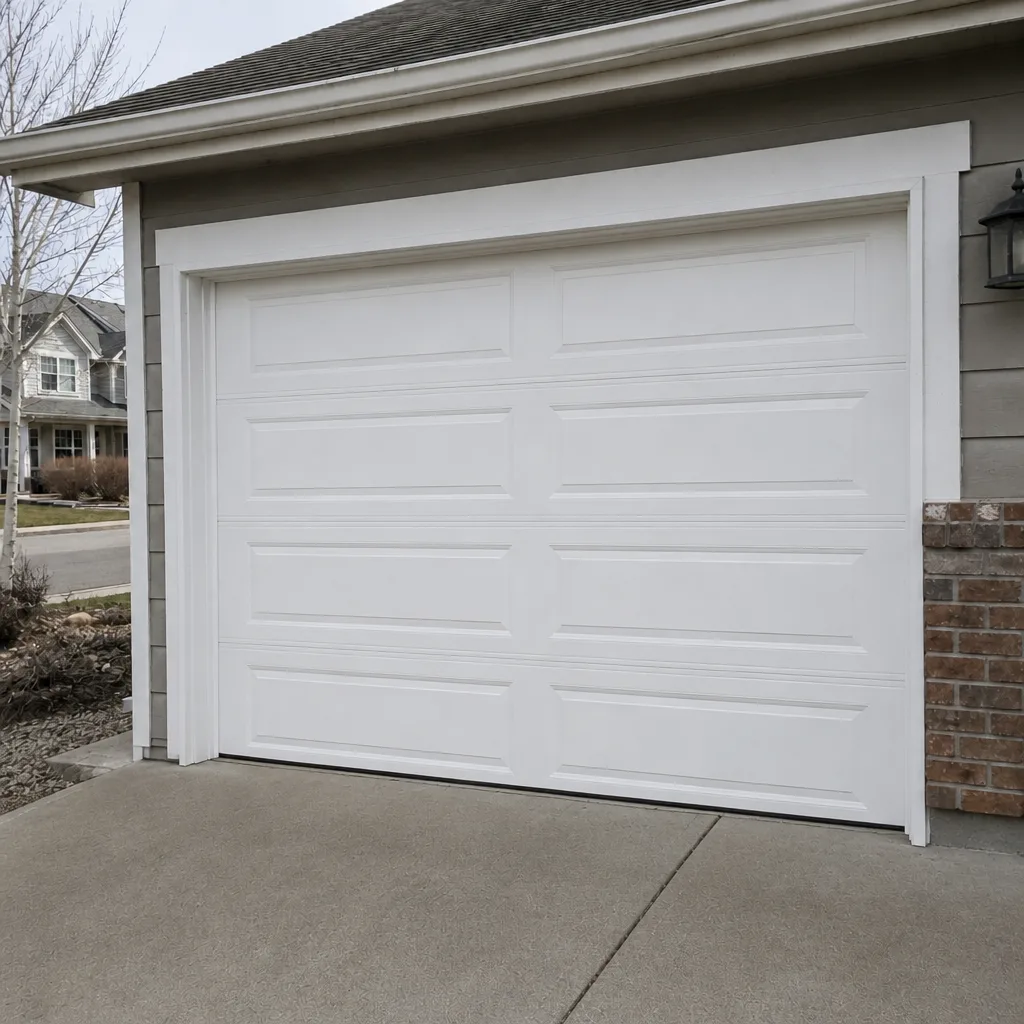
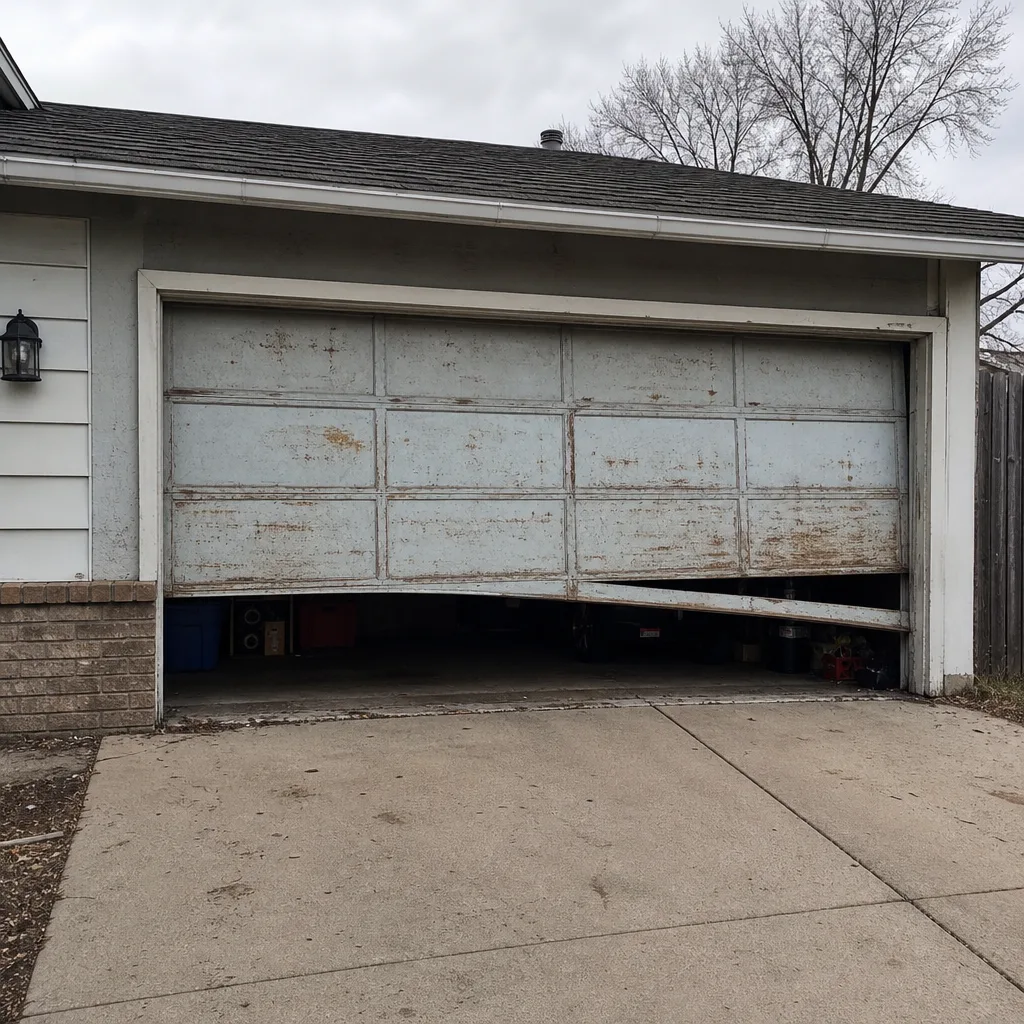
See the difference
 Before
 After
 Before
 After
 Before
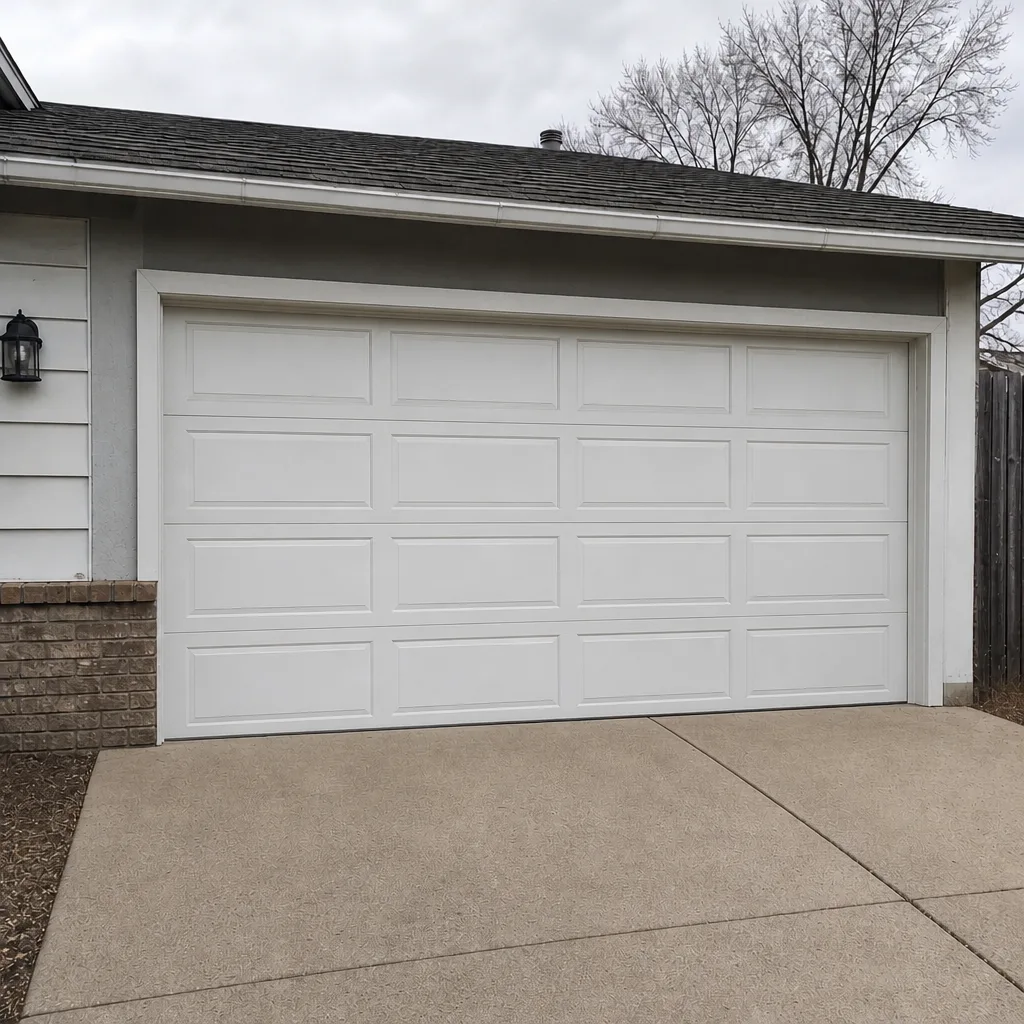 After
When to Call a Professional
Call a professional if you see any of the critical signs from the diagnostic table – a broken spring, a door that free-falls, a door that’s visibly crooked, or a repeating tick. Call if the shudder or grinding is still present at seventy degrees, if the opener runs but the door doesn’t move, or if the door reverses for no reason you can find at the sensors. And call if you’re simply not sure – a symptom that’s hard to describe is exactly the kind of thing a technician can identify in a couple of minutes. Our technicians have up to 8 years of experience across the major door and opener brands, and we cover spring repair, opener repair, installation, and parts under one trade. Garage Door Repair Southlands offers free estimates in Southlands – call (844) 569-7232. We answer 24/7. Fast dispatch from 7am to 7pm, Sunday through Friday.
Frequently Asked Questions
The most reliable sign is a repeating metallic tick as the door moves through part of its travel, or a visible gap in the torsion coil. A healthy spring creaks evenly and is silent at rest. A failing spring ticks, often settles when the door comes to rest, and may show a starting crack along one coil. If you hear the tick, stop using the door and call. Call (844) 569-7232 – estimates are free.
It’s usually a roller problem if the whole door wobbles side to side, and a track problem if the door catches at the same height every time. A jumped cable produces a similar shudder but the door also lifts unevenly. The three look close but need different repairs. If the shudder persists after the door has cycled once or twice, book a visit. Call (844) 569-7232 for a free estimate.
Cold metal contracts and lubricant thickens, so a door that runs quietly in summer can sound strained on a winter morning. The test is whether the symptom disappears as the day warms up. If it does, it’s likely weather. If the shudder, scrape, or tick is still there in the afternoon, it’s a mechanical issue and needs a technician’s look.
No – the price you’re quoted is the price you pay. We look at the door first, give you a written price for the job, and only start work after you agree to it. If the diagnosis turns up something unexpected, we’ll tell you before we touch anything. Call (844) 569-7232 – estimates are free.
Yes – the local pro who handles your job is licensed and insured as the state requires. We can answer questions about credentials when you call. If you want to confirm before booking, that’s a fair request and we’ll walk you through it. Call (844) 569-7232.
Usually yes, with care – a bent track or a worn roller is a “book a visit this week” problem, not a “stop now” problem. The exceptions are a jumped cable, a broken spring, or a door that free-falls on the way down; those mean keep the door closed until a technician has looked at it. When in doubt, call and describe the symptom. Call (844) 569-7232 to schedule.
The Bottom Line
Every warning sign a garage door gives you points to a specific component. Read it correctly and you can sort “stop now” from “book this week” from “schedule when convenient” without guessing. In Southlands, the extra variable is temperature: some symptoms are genuine failures and some are just cold-morning strain that resolves by afternoon, and the difference is whether the symptom survives a warm day. Learn the tick that precedes a spring failure, remember that a shudder is usually rollers or a jumped cable, and treat a broken spring or a falling door as an immediate stop. That’s the whole reference in three lines. The rest is knowing who to call.
Call Garage Door Repair Southlands at (844) 569-7232 for a free estimate. We answer 24/7. Fast dispatch from 7am to 7pm, Sunday through Friday. Springs, openers, panels, tracks – one call covers it all. Garage doors are all we do, and we do them right.
Written by the team at Garage Door Repair Southlands.