
Last updated November 21, 2026
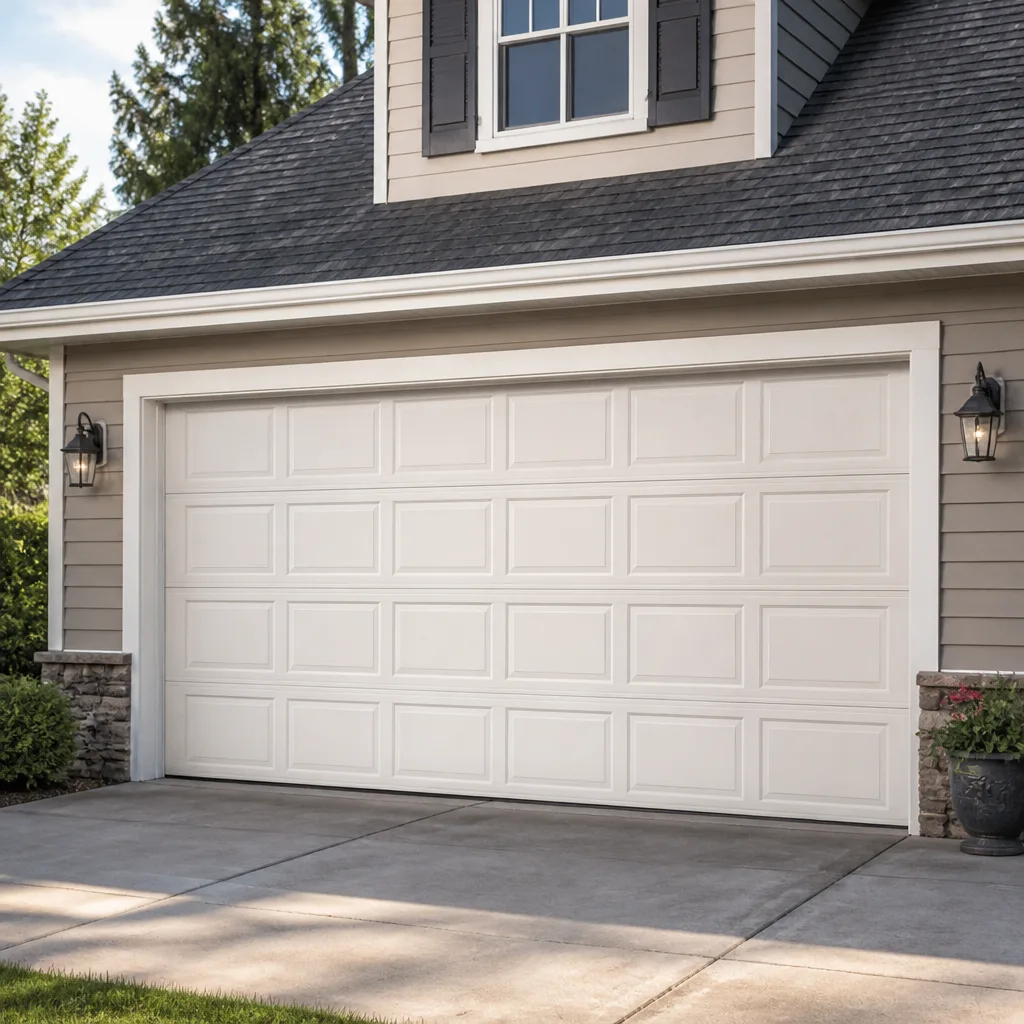 Raised-panel steel
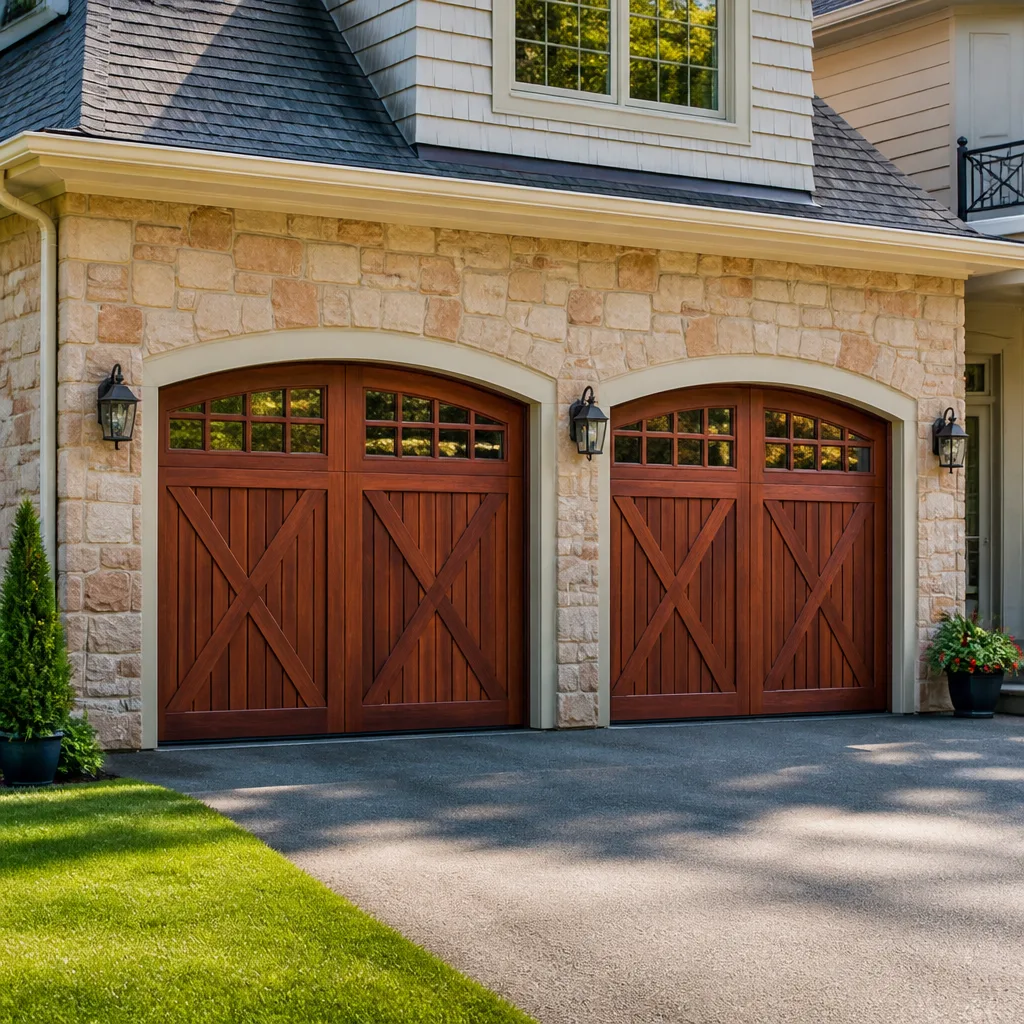 Carriage house
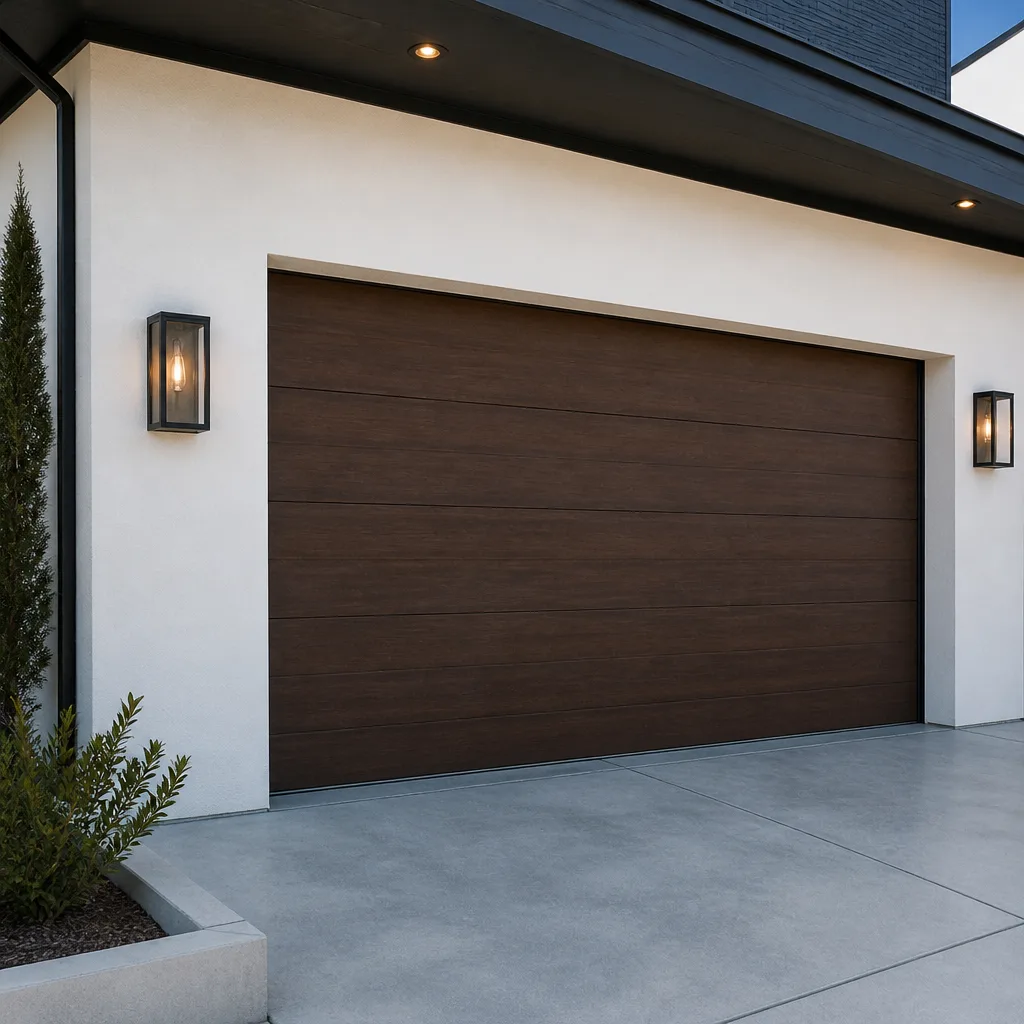 Modern flush
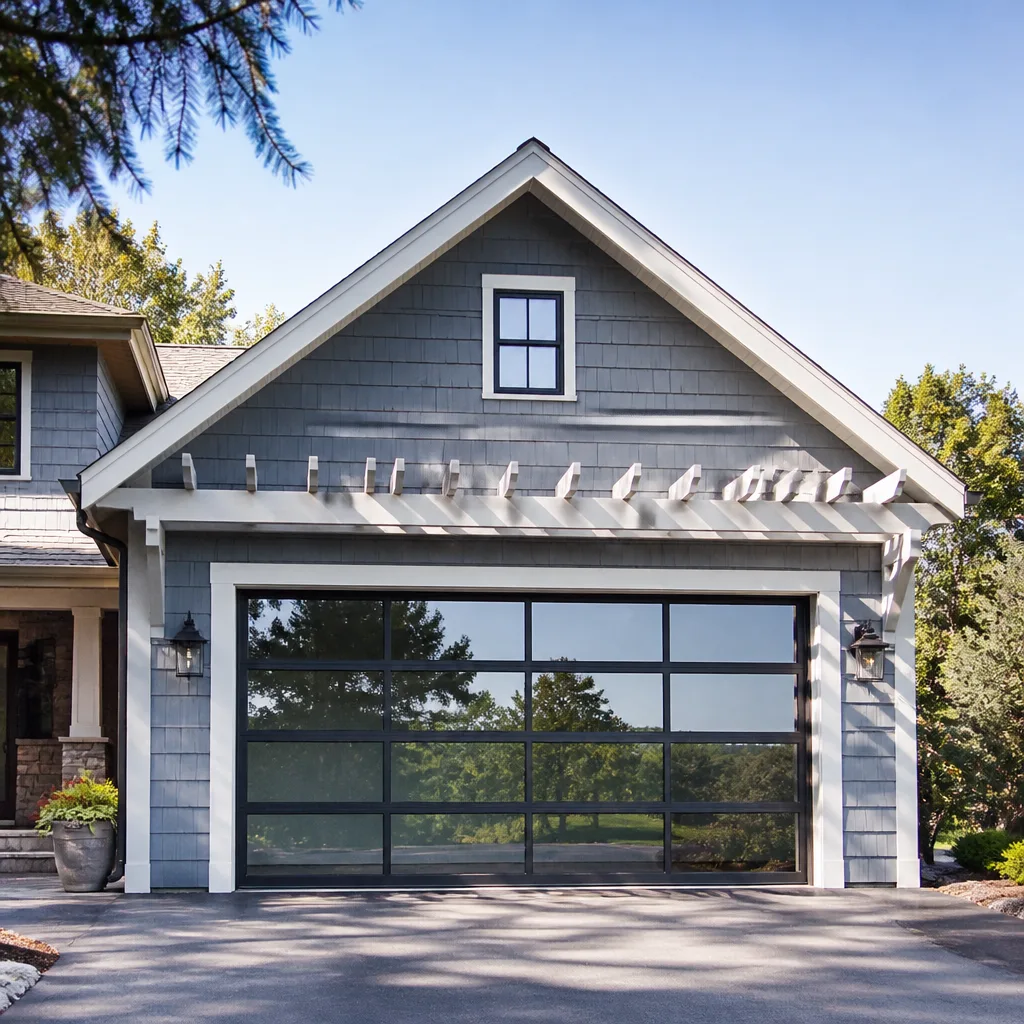 Full-view glass
 LiftMaster openers
 Chamberlain openers
Full 25-point door and opener safety check with every visit - springs, cables, rollers, tracks, and your LiftMaster or Chamberlain opener included
You get a price before we start. It does not change when the pro arrives.
Get your free estimateSeasonal Garage Door Care for Southlands: Year-Round Homeowner’s Guide
Most seasonal garage door advice assumes four equal seasons, and that assumption gets homeowners in Southlands into trouble every year. Along Colorado’s Front Range, March and October can swing 50 degrees in a single day. Those rapid thermal cycles load and unload garage door springs, expand and contract weatherseals, and knock opener sensitivity settings out of alignment – a setting that worked all summer can fail the first cold morning. Southlands really has two high-stress seasons (spring freeze-thaw cycling and winter temperature extremes) bookended by two shorter maintenance windows. This guide shows you how to care for your door around that actual weather pattern, not a generic template.
Quick Answer
In Southlands, a garage door needs a full inspection in late January before freeze-thaw season peaks, a lubrication and adjustment pass in early summer before UV and heat do their damage, and a spring tension check twice a year rather than the once that milder climates get by with. The single most important habit is to check seals, tracks, and hardware after any 40-degree-plus temperature swing, because that is when failures cluster. Everything else in this guide supports those three anchors.
Styles & brands we work with
- Raised-panel steel
- Carriage house
- Modern flush
- Full-view glass
- LiftMaster openers
- Chamberlain openers
Table of Contents
- Why Southlands Weather Treats Your Garage Door Differently
- Pre-Winter Prep: The Lubricant Swap and What Else to Check
- Freeze-Thaw Season (February to April): The Highest-Risk Window
- Summer UV and Heat: Protecting Panels and Weatherstripping
- Wind Season: Checking Tracks and Anchor Hardware
- The Twice-a-Year Spring Tension Check
- Your Southlands Seasonal Maintenance Calendar
- Parts, Brands, and What to Have on Hand
Why Southlands Weather Treats Your Garage Door Differently
A garage door is a mechanical system made of steel, aluminum, rubber, and high-tension springs, and every one of those materials responds to temperature. What makes Southlands different from a mild-climate market is the speed of the change. A door that sits at 70 degrees in the afternoon can be at 20 degrees by the next morning. Metal contracts. Rubber hardens. Steel springs that were coiled to a specific tension in warm air behave differently when the coils are cold.
The other factor is altitude and sun. Southlands sits in the high-altitude sun exposure of the Front Range, where UV is measurably harsher than at lower elevations. That matters less for the steel panels than for the rubber and plastic parts: the bottom seal, the side weatherstripping, the plastic hinges on some doors, and the torsion spring’s lubrication film. UV breaks these down faster than most generic garage door guides account for.
Finally, there’s the wind. Southlands and the surrounding area get a regular dose of downslope winds coming off the mountains. These winds push laterally against a closed or partially open door and load the tracks, hinges, and anchor bolts. Over a season of gusts, hardware that was tightened correctly in spring can work itself loose. We hear about this most often with older Wayne Dalton and Amarr doors where the original anchors have been in the concrete for many cycles.
Put these three forces together – rapid thermal cycling, high UV, and lateral wind load – and you get a door that ages on a different schedule than its label suggests. That’s the reason this guide is organized around Southlands’ actual seasons rather than the calendar-year template you’ll find on most garage door websites.
Pre-Winter Prep: The Lubricant Swap and What Else to Check
The single most overlooked prep task heading into a Southlands winter is a lubricant change. Standard garage door lubricant – the kind sold at most hardware stores and the kind many homeowners use year-round – becomes viscous at low temperatures. It thickens in the rollers, hinges, and the torsion spring coils, which drags on the opener and forces it to work harder. If your opener has a sensitivity setting that was calibrated on a warm day, that thickened lubricant is what trips it in January.
Before the first hard freeze, swap to a cold-rated lubricant. The most common and reliable option is a lithium grease designed for use below freezing, applied sparingly to the torsion spring and the hinge points. For rollers, a silicone-based spray lubricant holds up better in cold than a standard oil. Avoid heavy grease on the tracks themselves – tracks should be clean, not greasy, because grease attracts grit that grinds the rollers.
Beyond lubricant, work down this pre-winter checklist:
- Check the bottom seal for cracks or brittleness. A cracked seal lets air and moisture under the door and often signals that the same rubber is failing at the sides too.
- Test the door’s balance by hand. Disconnect the opener (pull the release cord) and lift the door halfway. It should stay put. If it drifts down, the springs are losing tension and need a professional look before winter stresses them further.
- Inspect hinges and the center bracket for loose fasteners. Tighten anything that moves – but never touch the spring hardware itself.
- Test the safety reverse feature. Place a piece of wood flat under the door’s path and close it. The door should reverse on contact.
- Look at the weatherstripping along the sides and top. If it’s cracked or pulling away, it should be replaced before the first sustained cold snap.
If you find anything that needs replacement, our Garage Door Repair Southlands team can source parts directly – seals, rollers, hinges, and brackets – so you’re not waiting on a third-party order to finish prep before the first freeze.
Freeze-Thaw Season (February to April): The Highest-Risk Window
Freeze-thaw season is when most garage door failures happen in Southlands, and most homeowners schedule their inspection too late. February through April is when daily cycles of freezing and thawing stress every part of the door that responds to temperature. Springs are the headline risk, but they aren’t the only one.
Why springs fail in freeze-thaw
A torsion spring is a coil of steel under significant tension. When the metal is cold, it’s less ductile. When it warms, it expands slightly. Cycle the metal through dozens of these temperature swings, and the point where the spring was last stressed (usually a bend near the end) becomes a fatigue point. That’s where the spring breaks. Southlands homeowners often notice the failure as a sharp bang from the garage in the morning – which is the spring letting go. If that happens, do not attempt to open the door; the door will be extremely heavy and the opener will strain or fail trying to lift it.
Why bottom seals fail in freeze-thaw
The bottom seal is rubber. In freeze-thaw, water collects under the door and refreezes. The rubber that was pliable at 60 degrees becomes rigid at 20 degrees, and when the door closes on a chunk of ice, the seal cracks or tears. A compromised seal lets cold air and moisture in all season, and it’s a five-minute diagnosis but an easy one to miss.
Why the inspection belongs in late January
By late January, Southlands has usually had its first run of hard freezes but hasn’t yet entered the repeated thaw cycles that trigger most failures. An inspection then lets a trained technician catch:
– Springs showing early fatigue (slight elongation, surface corrosion, uneven tension)
– Seals that are hardening but not yet cracked
– Loose track hardware from the winter’s winds
– Opener sensitivity drift from the cold
Catching these in late January means you replace a part on your schedule rather than in an emergency after a spring snaps. If you’re already hearing the bang, our garage door repair service can assess it fast – springs aren’t a job to take on yourself, and we’ll walk you through exactly what failed and why.
Summer UV and Heat: Protecting Panels and Weatherstripping
Summer in Southlands is harder on a garage door than most homeowners expect, because the door often faces east or west and catches direct sun for hours each day. High-altitude UV accelerates fading on painted steel panels, but the bigger risk is to the rubber and plastic parts.
What the sun does to weatherstripping
The side and top weatherstripping on most residential doors is a rubber or vinyl extrusion, and UV exposure degrades it faster than temperature alone. Once it starts to harden and lose flexibility, it stops sealing properly and lets in dust, wind-driven rain, and insects. On Clopay and Amarr doors especially, the factory weatherseal is designed for a typical climate – in Southlands’ UV, expect to replace it sooner than the manufacturer’s general guidance suggests.
What the sun does to panel finishes
Steel garage door panels are painted or powder-coated at the factory. High-altitude UV fades the finish over time, and on darker colors the panel itself gets hotter than the ambient air temperature. That heat differential between the sun-facing side and the shaded side is one more thermal cycle for the panel to absorb. Light-colored panels (white, almond, sandstone) hold up better in Southlands than dark browns and blacks, and if you’re choosing a new door, that’s worth knowing.
What to do in early summer
- Clean the door with a mild detergent and water – no abrasive cleaners, and no pressure washing on wood or composite doors.
- Check the weatherstripping by feel along the full height of both sides. If it’s brittle, cracked, or pulling away, replace it.
- Look for fading or chalking on painted panels, which is the first sign the finish is breaking down.
- Check the bottom seal again – the winter’s damage is often most obvious in summer heat.
If you’re looking at a full replacement rather than repair, our garage door installation team can walk you through panel materials and finish options that handle the local sun exposure better. That’s a scheduled project, not an emergency call – the free measure and written estimate come first, and the install is booked from there.
Wind Season: Checking Tracks and Anchor Hardware
Southlands’ exposure to Front Range downslope winds is a maintenance factor almost no generic garage door guide mentions, and it’s the most common cause of slow-degrading track alignment in the area. Downslope winds arrive suddenly and push laterally against the door. Over one season they can work loose the anchor bolts that hold the vertical track brackets to the wall, or shift the horizontal track away from its original alignment.
How to check for wind damage
- Open and close the door slowly. Watch the rollers as they travel the track. Any visible wobble, binding, or gap where the roller leaves the track is a sign the track has shifted.
- Look at the vertical tracks. They should be plumb. If either track has visibly tilted toward or away from the wall, the anchors have moved.
- Check the anchor brackets against the wall. Look for gaps, cracked concrete, or loose lag bolts.
- Listen for a banging or popping sound. When a door gets hit by a gust, it can flex the tracks and then snap them back – which is a sign the anchor hardware is loose enough to move.
Do not attempt to re-anchor a vertical track yourself. The track holds the door’s alignment against spring tension, and adjusting it wrong can cause the door to bind, twist, or come out of the track entirely. If you suspect the anchors have shifted, have a trained technician check the alignment and torque the fasteners properly.
Wind season is also when opener sensitivity settings often need a reset. The garage door opener repair we do most often in Southlands during or after a windy stretch involves re-tuning the force and travel limits so the opener doesn’t trip a safety reverse every time the door flexes under a gust.
The Twice-a-Year Spring Tension Check
Most garage door guides tell you to check spring tension once a year. In Southlands’ climate, twice is the right frequency – once in late January before freeze-thaw, once in early summer before UV and heat. The reason comes down to the same thermal cycling this guide keeps returning to: springs lose tension gradually with every cycle, and Southlands covers a lot of cycles each year.
What a spring tension check actually means
A trained technician checks three things:
– Balance: With the opener disengaged, the door held at the halfway point should stay put.
– Tension symmetry: On a two-spring system, both springs should carry roughly equal load. If one is doing more work, it fails first.
– Visual condition: Surface corrosion, elongation, or uneven coils are early signs of failure.
The homeowner’s job here is limited to only the balance test (above) – and it’s a test, not a repair. Never attempt to adjust, wind, or unwind a spring yourself, and never touch the torsion bar, winding cones, or the cables. Those springs are under enough tension to break bones if they release unexpectedly, which is why spring repair is a named core service at our Southlands shop rather than something we recommend homeowners tackle.
Why twice a year matters
If you skip the late January check, you enter freeze-thaw season with a spring that’s already tired from the previous year’s cycles, and the same-spring failure risk goes up. If you skip the summer check, you enter another cold season with weakened tension and no adjustment. Both checks together mean you approach each high-stress season with a door that’s been assessed recently.
Your Southlands Seasonal Maintenance Calendar
Here’s the full sequence in one place. Treat this as the maintenance baseline for any residential door in Southlands, then adjust based on the door’s age and how hard it works.
Late January – pre-freeze-thaw inspection
- Professional inspection of spring tension, track alignment, and weatherstripping
- Homeowner balance test
- Check opener sensitivity against cold-weather operation
- Cold-rated lubricant already in place from the fall prep
February to April – freeze-thaw watch
- Listen for morning bangs or grinding
- Inspect bottom seal weekly
- Watch for door that won’t open evenly or reverses immediately at the floor
May – summer prep and UV check
- Weatherstripping inspection and replacement if needed
- Panel finish inspection for fading
- Track alignment and anchor check after winter winds
- Second spring tension check
June to August – UV and heat watch
- Keep door tracks clean – summer heat makes dirt and grit more abrasive
- Watch weatherstripping for cracking or hardening
- Check that the opener isn’t tripping the safety reverse from thermal expansion
September to October – pre-winter prep
- Swap to cold-rated lubricant
- Full hardware tightening (hinges, brackets, fasteners – not springs)
- Test safety reverse
- Inspect and replace bottom seal if showing wear
- Final track and anchor check after wind season
November to December – cold-weather watch
- Watch for opener strain, uneven lifting, or grinding
- Watch for springs that sound like they’re binding (a sign of thick lubricant)
- Watch for door that closes unevenly or leaves a gap
This calendar is written for Southlands specifically. If you’re in a sheltered area, you can trim the winter-watch steps. If you’re on a west-facing slope with full sun exposure, add one more weatherstripping check to the summer steps.
Parts, Brands, and What to Have on Hand
The most practical way to keep a Southlands garage door ahead of the seasonal curve is to know what you’re working with and keep a few parts on hand for the quick fixes. We work on virtually every major brand – including Clopay, Amarr, Wayne Dalton, Craftsman, LiftMaster, Chamberlain, Genie, and Raynor. That matters here because each brand has different seal, hinge, and roller designs, and knowing exactly which model you have saves a diagnostic step when something fails.
Parts worth keeping on hand
- A spare bottom seal sized to your door width, so a mid-season tear doesn’t leave you air-leaking for weeks
- A can of cold-rated lubricant plus a can of silicone spray
- A few spare roller assemblies for the model of track on your door
- Replacement hinges if your door uses standard hinges rather than welded ones
- The owner’s manual or model plate info for your opener – it’s the fastest way to look up force and travel limits when they drift
If you’d rather not stock parts yourself, we supply garage door components directly – springs, seals, rollers, hinges, openers – and because parts supply is built into our business, we’re not waiting on an outside order before we can finish a job. That means a spring or seal repair usually takes one visit, not two.
Common Mistakes to Avoid
- Applying standard grease or oil in the fall. It thickens in Southlands’ winter and strains the opener. Swap to cold-rated lubricant before the first hard freeze.
- Waiting for a spring to break before checking it. The failure risk in freeze-thaw is highest when the spring entered the season already tired. Inspect in late January, not after the bang.
- Greasing the tracks. Tracks should be clean and dry. Grease attracts grit that grinds the rollers and makes the door noisier and harder to open.
- Tightening the springs to “fix” a sagging door. Spring tension adjustment is dangerous and should be done by a trained technician. If the door sags, have it assessed.
- Ignoring wind-shifted tracks. After a windy stretch, look at your vertical tracks – if either is no longer plumb, the anchors have moved and the door is at risk of binding.
- Replacing weatherstripping with generic hardware-store stock. UV-resistant seals specifically rated for high-altitude sun exposure last longer in Southlands than the standard extrusion.
- Assuming one seasonal check covers the year. In this climate, springs should be checked twice a year, not once – the freeze-thaw cycle alone stresses them more than a full mild-climate year.
See the difference
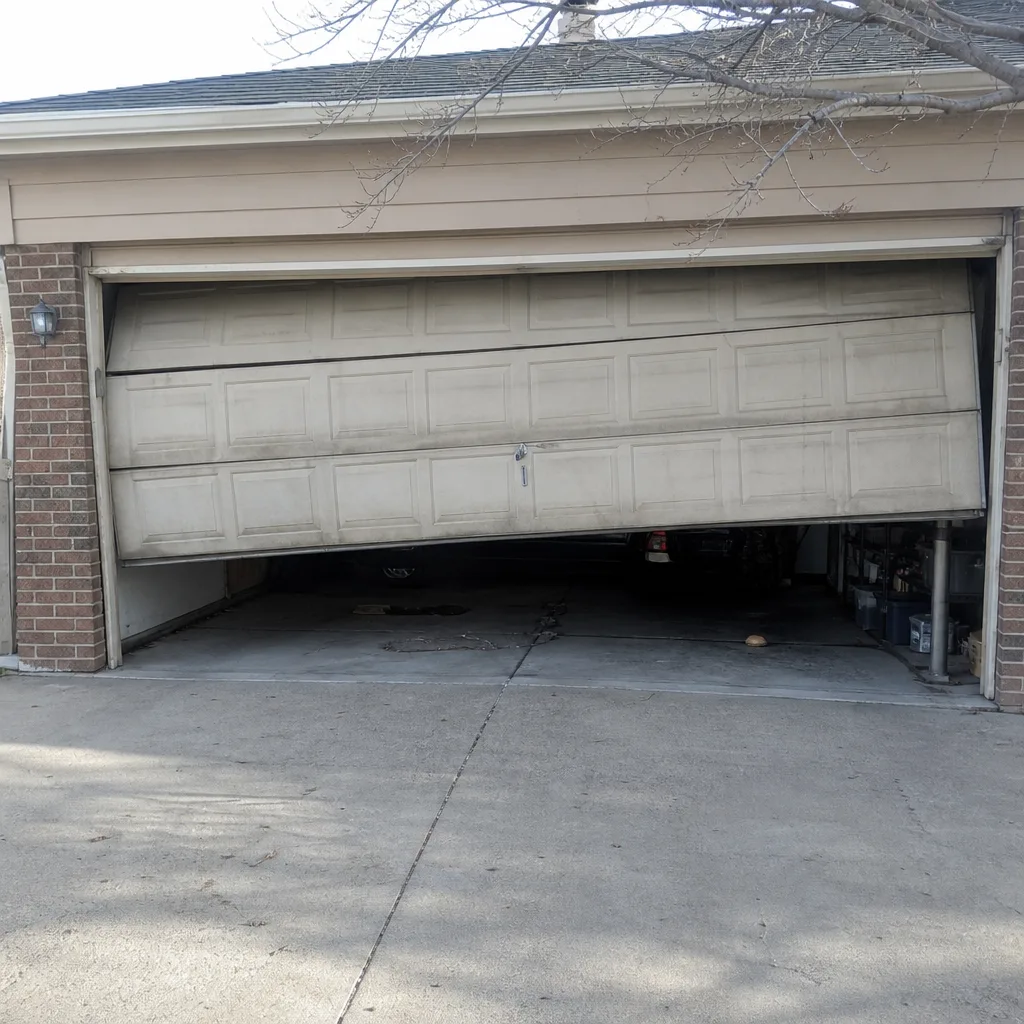 Before
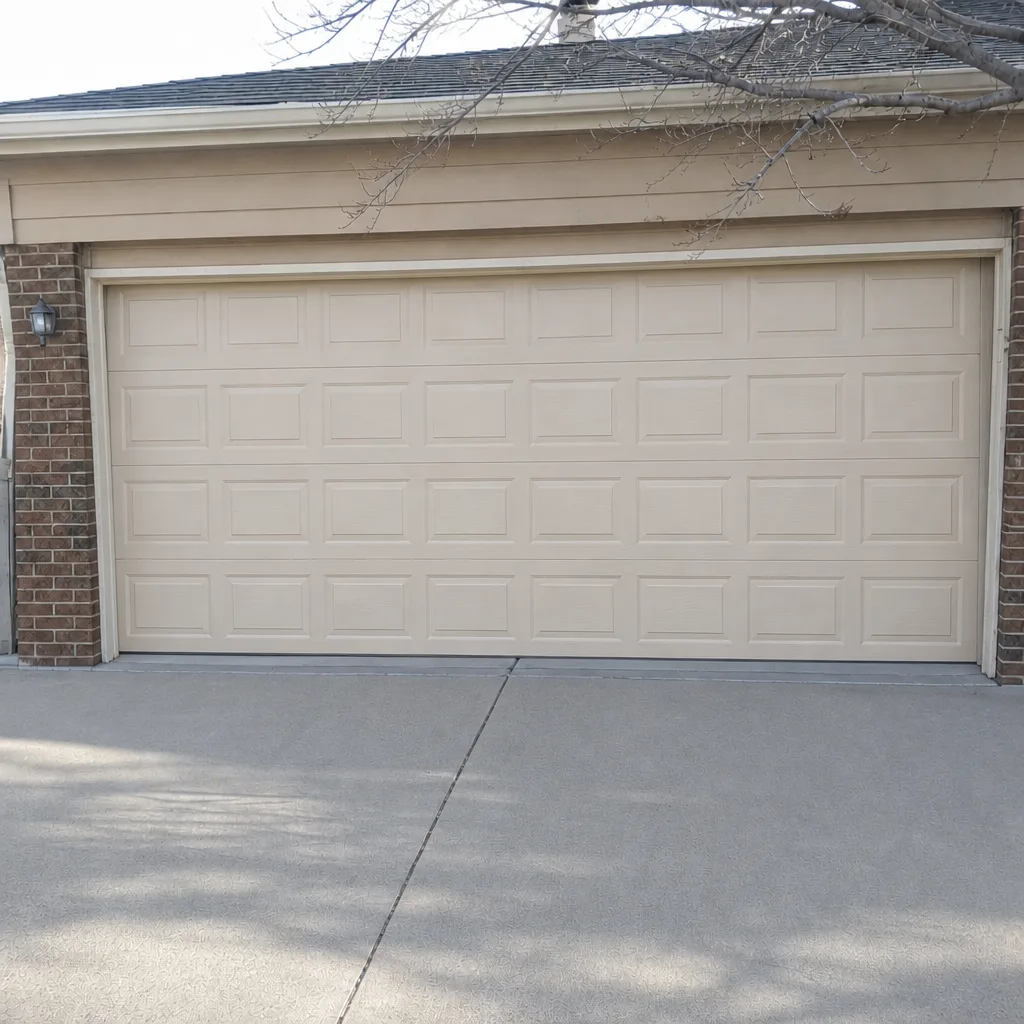 After
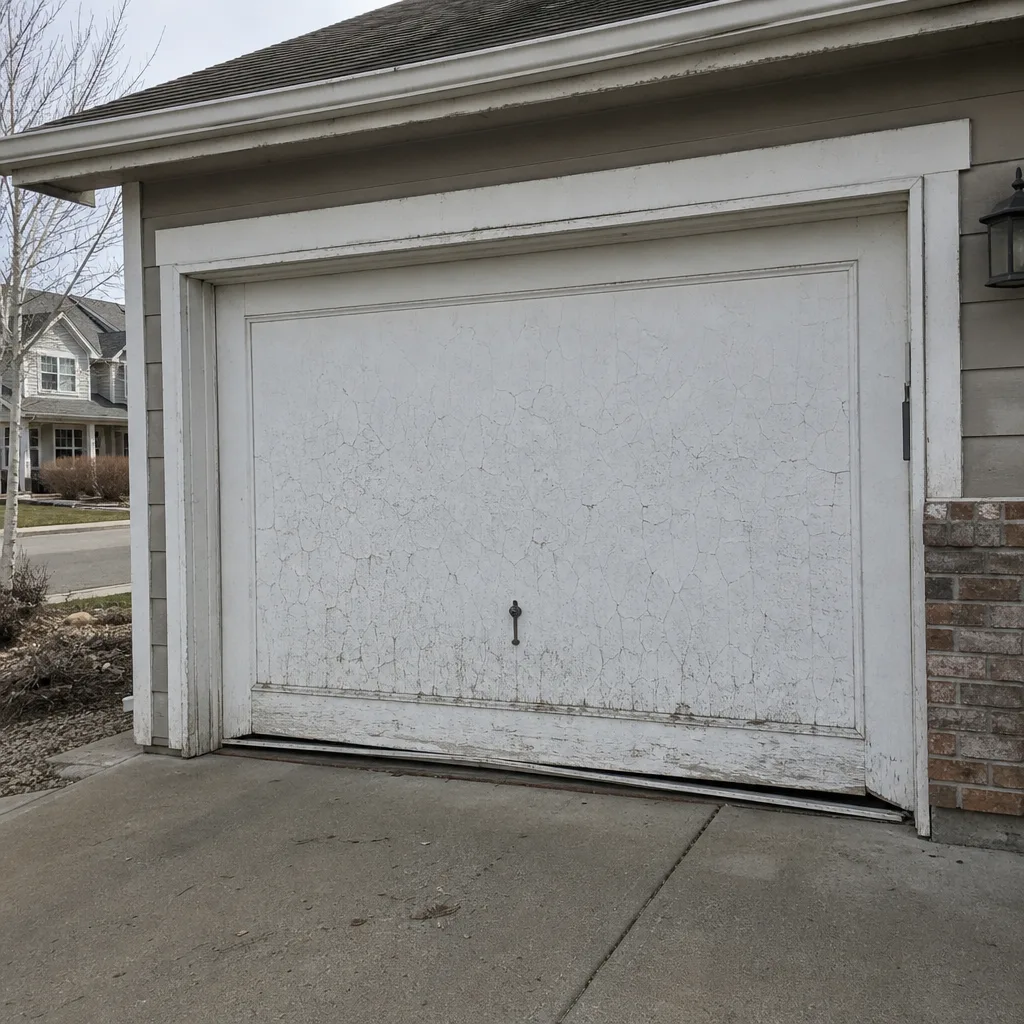 Before
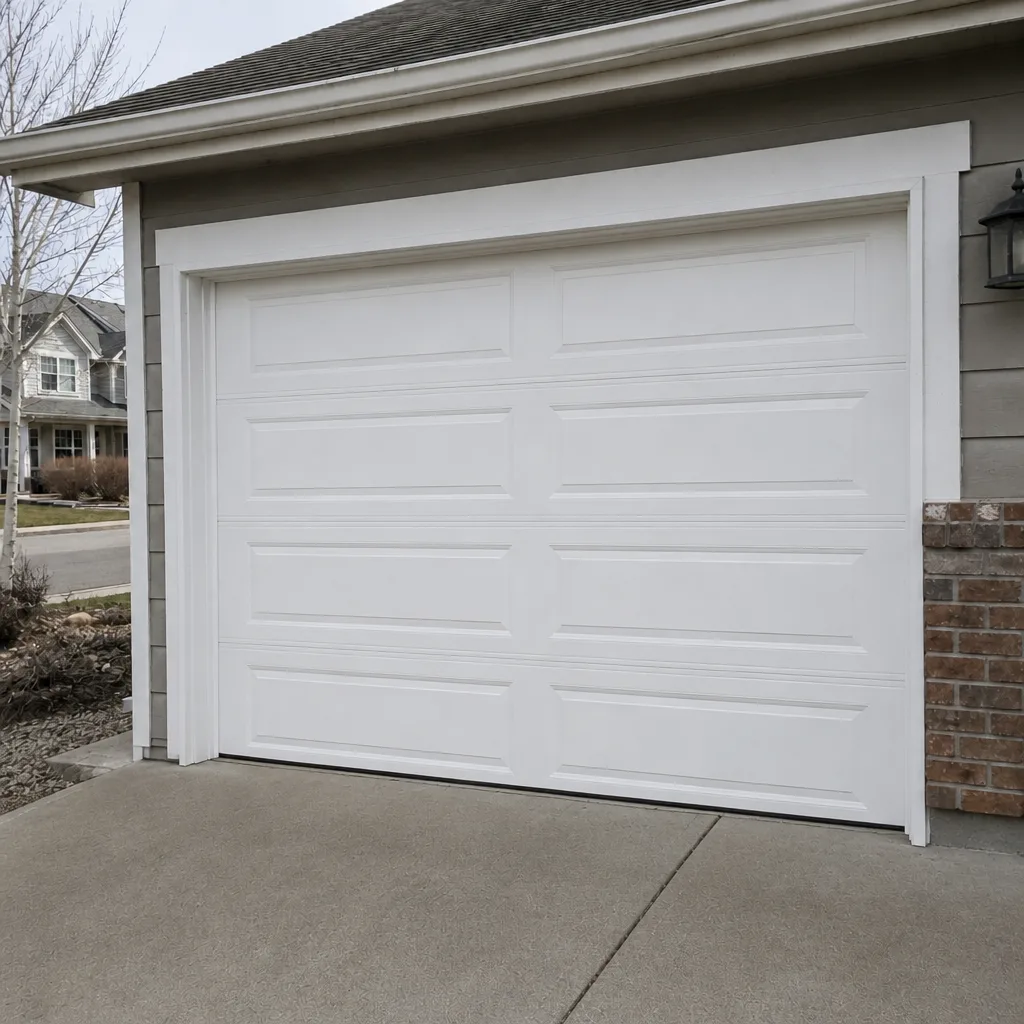 After
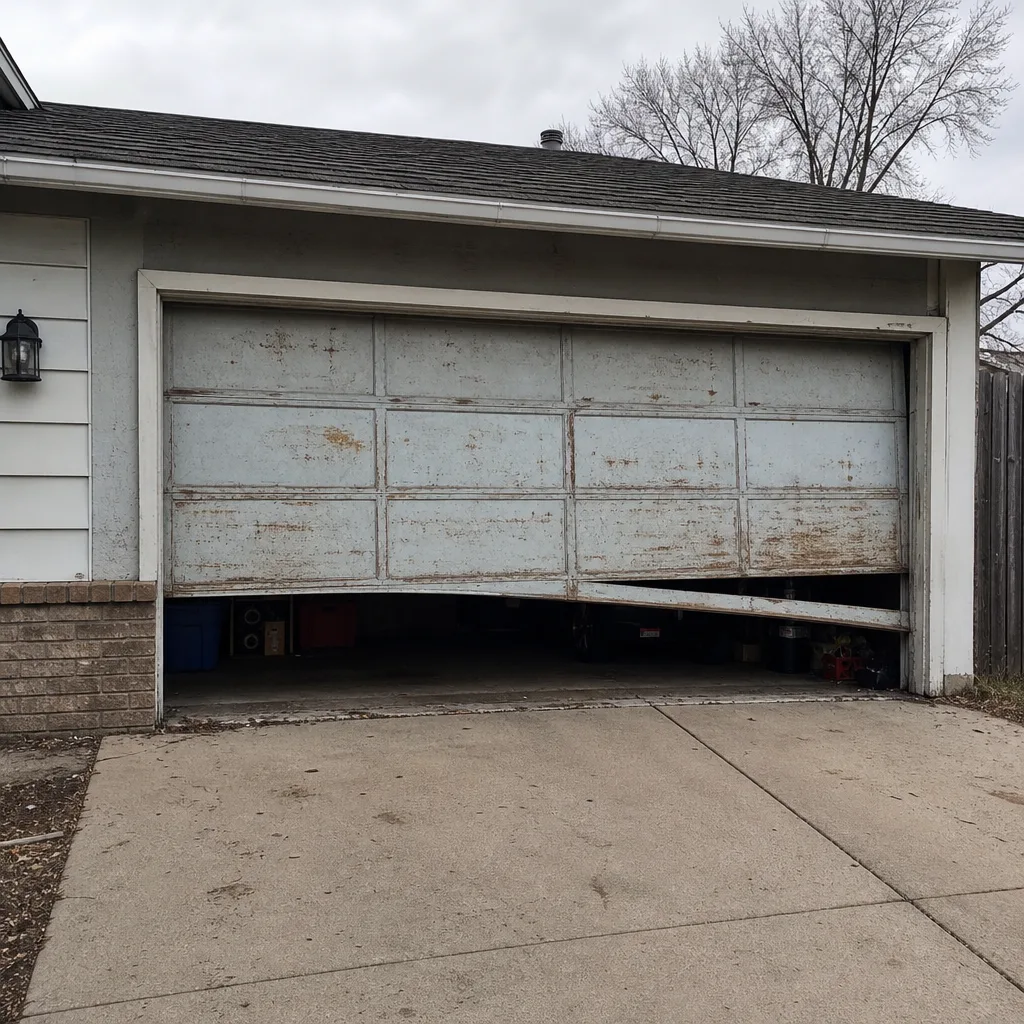 Before
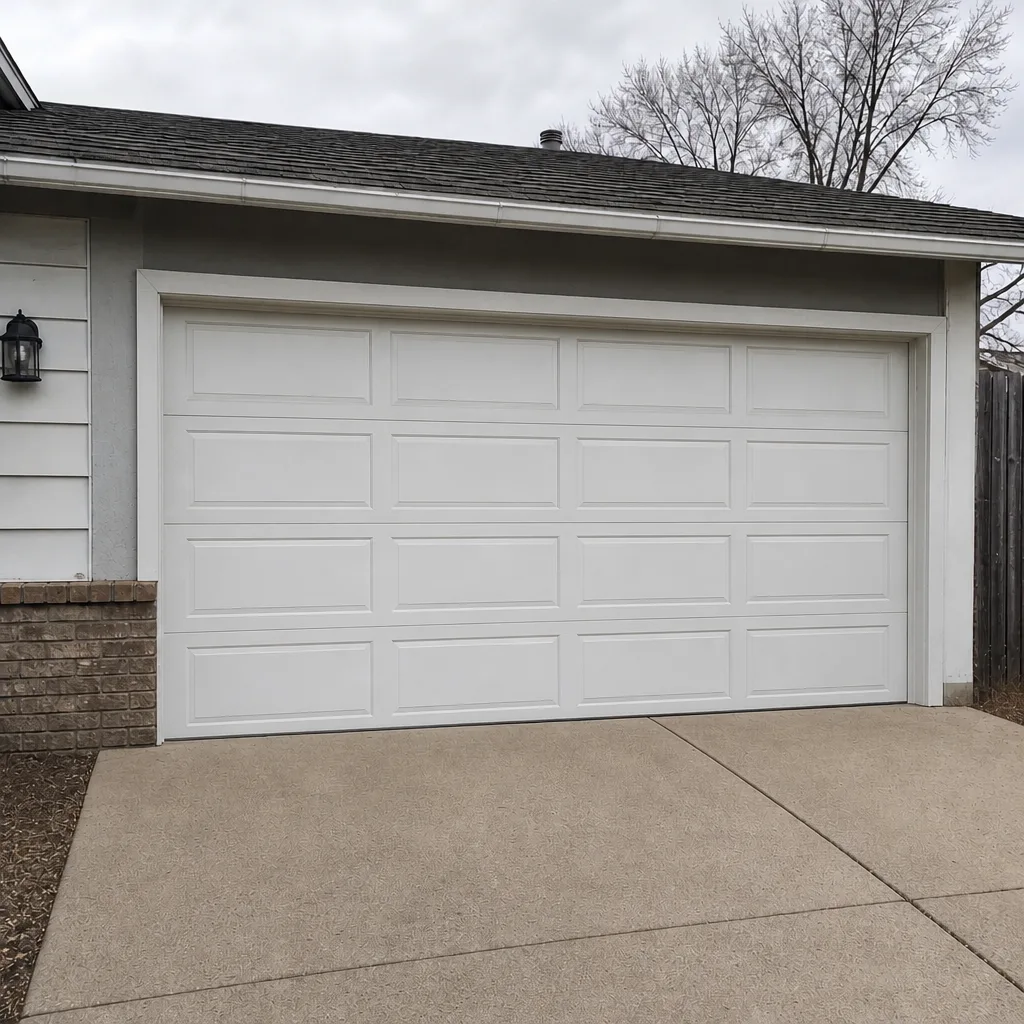 After
When to Call a Professional
Some tasks belong to a trained technician, no matter how handy you are. Call us if your door makes a sharp bang and won’t lift (broken spring), if you find a snapped cable, if the door is off its track, if the panels have visibly bent, or if the door comes down on the floor unevenly and the opener trips the safety reverse repeatedly. Springs and cables are under too much tension for a DIY repair, and one wrong move can cause serious injury. Garage Door Repair Southlands offers free estimates in Southlands – call (844) 569-7232 for an assessment before it turns into a bigger job.
Frequently Asked Questions
Twice a year – once in late January before freeze-thaw season and once in early summer before UV and heat peak. Southlands’ rapid thermal cycles stress springs more than a mild climate does, and a single annual check isn’t enough. Call (844) 569-7232 for a spring inspection and free estimate.
A cold-rated lithium grease for springs and hinges, and a silicone spray for rollers. Standard hardware-store lubricant thickens in winter cold and drags on the opener. Swap lubricants before the first hard freeze and you’ll avoid the most common cold-weather opener problem. If your opener is already tripping sensitivity limits, have it checked – call (844) 569-7232.
Freeze-thaw season is when springs fail most often in Southlands, because repeated cycling between freezing and warming temperatures fatigues the metal at the point where it was last stressed. A spring that’s already carrying reduced tension going into the season is the one that goes. Spring repair is dangerous – if yours has snapped, don’t try to open the door. Call (844) 569-7232 for a same-day assessment where possible.
Open and close the door slowly and watch the rollers. If they wobble, bind, or leave the track, or if your vertical tracks are no longer plumb when you sight them against a level, the anchors have likely moved. Don’t tighten them yourself – the door’s spring tension is what keeps the tracks aligned, and shifting that alignment wrong can cause the door to come out of the track entirely. Call us for an alignment check.
Late spring or early summer, before UV peaks. Replacing it in the fall means the new seal goes through its first freeze-thaw season while it’s still fresh, but replacing in summer lets it settle before cold. UV-resistant seals last longer in Southlands than standard extrusion. We supply weatherseals directly – call (844) 569-7232 for a measurement and quote.
Often yes – spring repair is a repair call, so we prioritize it. We answer 24/7 and dispatch from 7am to 7pm, Sunday through Friday. The price for spring repair is set per job by the written estimate before any work starts, so there’s no surprise on the invoice. Call (844) 569-7232 for a free estimate.
The Bottom Line
Southlands doesn’t get four equal seasons – it gets two high-stress seasons (spring freeze-thaw and winter temperature extremes) bracketed by two shorter maintenance windows. Care for your door on that actual rhythm: cold-rated lubricant before the first freeze, a full inspection in late January, weatherstripping and track alignment checks in early summer, and a second spring tension check before fall. Do that, and you’ll head into each high-stress season with a door that’s been assessed, not a door that surprises you with a snapped spring on a February morning. Call (844) 569-7232 for a free estimate.
Contact
If your garage door needs a seasonal check, a spring repair, a seal replacement, or a full look before freeze-thaw starts, call (844) 569-7232 for a free estimate. We answer 24/7. Fast dispatch from 7am to 7pm, Sunday through Friday. Our technicians have up to 8 years of experience working on virtually every major garage door brand, and we’ll quote the price in writing before any work starts – the written estimate sets the final price. We work on virtually every major brand – including yours.
Written by the team at Garage Door Repair Southlands.